
PRODUCTS
Industrial Applications of High-Pressure Water Jet Cutting Systems
In today's competitive manufacturing environment, companies are under constant pressure to produce high-quality components faster, more efficiently, and with greater precision. Whether manufacturing aerospace parts, processing natural stone, or fabricating complex metal components, choosing the right cutting technology directly impacts production quality, operating costs, and customer satisfaction.
Among the many advanced cutting solutions available, high-pressure water jet cutting systems have become one of the most versatile and reliable technologies across modern industries. Unlike conventional thermal cutting methods, waterjet systems use an ultra-high-pressure stream of water—often mixed with abrasive particles—to cut materials accurately without generating heat. This cold-cutting process preserves material properties while delivering exceptional precision and clean edge quality.
As manufacturers increasingly work with advanced materials and complex product designs, the demand for high-pressure water jet cutting systems continues to grow. Their ability to process virtually any material with minimal waste and outstanding accuracy makes them an indispensable tool for industrial production.
Understanding High-Pressure Water Jet Cutting Systems
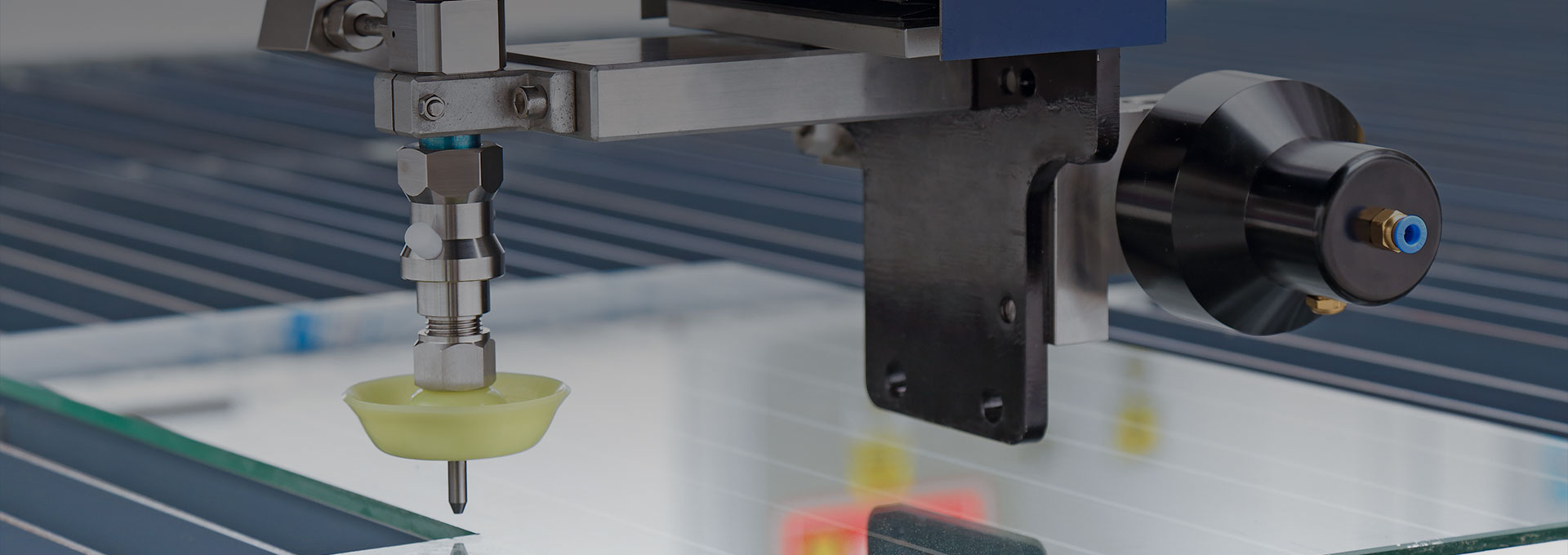
A high-pressure water jet cutting system combines an ultra-high-pressure pump, precision CNC controls, a cutting head, and an abrasive delivery system to produce a concentrated water stream capable of cutting both soft and hard materials.
Water pressure typically ranges from 60,000 to 90,000 PSI, allowing the cutting jet to penetrate metals, natural stone, ceramics, composites, and glass with remarkable precision. For softer materials such as rubber, foam, textiles, and plastics, pure water cutting is often sufficient. Harder materials require abrasive garnet, which distinctly increases cutting performance while maintaining excellent surface quality.
Unlike laser, plasma, or flame cutting, the waterjet process produces no heat-affected zone (HAZ). Since the material is never exposed to extreme temperatures, it retains its original mechanical strength, hardness, and structural integrity throughout the cutting process. This unique characteristic makes high-pressure water jet cutting systems suitable for industries where precision and material performance are equally important.
Why Industrial Manufacturers Choose Waterjet Technology
Manufacturing requirements have changed remarkably over the past decade. Customers expect tighter tolerances, shorter delivery times, and greater product customization than ever before. Traditional cutting technologies can struggle to meet these expectations, especially when working with heat-sensitive or expensive materials.
High-pressure water jet cutting systems solve these challenges by offering exceptional flexibility. A single machine can process multiple materials without changing cutting tools, reducing setup time and improving production efficiency. Because the cutting process is computer-controlled, manufacturers can produce highly detailed shapes, complex contours, and detailed internal features with consistent repeatability.
Another major advantage is material efficiency. The narrow cutting stream minimizes kerf width, allowing more components to be nested on each sheet of material. This reduces waste, lowers raw material costs, and contributes to more sustainable manufacturing operations.
Metal Fabrication and Heavy Industry
Metal fabrication is one of the largest application areas for high-pressure water jet cutting systems. Fabricators routinely process carbon steel, stainless steel, aluminum, copper, brass, titanium, and specialty alloys for a wide variety of industrial applications.
Unlike thermal cutting technologies, waterjet cutting does not create oxidation, edge hardening, or thermal deformation. Manufacturers can achieve smooth, accurate cuts while preserving the original characteristics of the material. This is especially important for precision components that require additional machining, welding, or assembly after cutting.
Waterjet systems are widely used to manufacture structural components, machine parts, industrial equipment, pressure vessel components, electrical enclosures, and custom metal products. Their ability to produce accurate cuts with minimal finishing greatly improves overall production efficiency.
Architectural Stone and Decorative Fabrication
Natural stone is both valuable and fragile, making precision cutting essential. High-pressure water jet cutting systems have changed the stone fabrication industry by enabling manufacturers to create highly detailed decorative products without damaging the material.
Marble, granite, quartz, slate, and engineered stone can all be processed with exceptional accuracy. Waterjet technology allows fabricators to produce fancy medallions, custom mosaics, decorative wall panels, luxury flooring designs, countertops, and artistic inlays that would be difficult or impossible to achieve using conventional saws.
Because the cutting process introduces no vibration or excessive mechanical force, delicate stone materials remain intact throughout production. Designers also gain greater creative freedom, allowing architects and interior designers to realize increasingly sophisticated projects.
Aerospace and Defense Manufacturing
The aerospace industry demands the highest levels of precision while working with costly, high-performance materials. Every component must meet strict dimensional tolerances without compromising structural integrity.
High-pressure water jet cutting systems are ideally suited for processing titanium alloys, aerospace aluminum, nickel-based alloys, carbon fiber composites, and honeycomb structures. Since the process generates no heat, manufacturers avoid distortion, residual stress, and metallurgical changes that could weaken critical components.
The ability to minimize material waste is equally important in aerospace manufacturing, where raw materials are often extremely expensive. By maximizing material utilization and maintaining exceptional accuracy, waterjet technology helps manufacturers reduce production costs while maintaining serious quality standards.
Automotive Manufacturing
Modern automotive production requires a balance between speed, precision, and flexibility. Vehicle manufacturers continually introduce new models, lightweight materials, and innovative component designs, making adaptable cutting solutions increasingly valuable.
High-pressure water jet cutting systems support both prototype development and large-scale production. Manufacturers use them to process aluminum body panels, battery trays, interior components, insulation materials, composite structures, and sealing materials.
Because programming changes can be implemented quickly, manufacturers can transition between different product designs without expensive tooling modifications. This flexibility reduces development time while supporting faster product launches.
Glass, Ceramics, and Composite Materials
Materials such as glass, porcelain, technical ceramics, and carbon fiber composites present unique challenges for conventional cutting methods. Heat, vibration, or excessive mechanical force can easily cause cracking, chipping, or delamination.
High-pressure water jet cutting systems overcome these limitations through a precise cold-cutting process. The concentrated water stream cleanly separates the material while preserving edge quality and dimensional accuracy.
This capability makes waterjet technology highly valuable for architectural glass, ceramic tiles, porcelain slabs, electronic ceramics, wind turbine components, and advanced composite structures used in transportation and renewable energy industries.
Supporting Custom Manufacturing and Low-Volume Production
Manufacturing is increasingly shifting toward customized production rather than standardized mass manufacturing. Customers expect personalized designs, shorter lead times, and quick product development.
High-pressure water jet cutting systems are particularly well suited for this environment because they require little or no dedicated tooling. Design changes can be implemented directly through CAD/CAM software, allowing manufacturers to move quickly from concept to production.
This flexibility benefits industries producing prototypes, customized machinery, architectural projects, artistic metalwork, and specialized industrial equipment. Faster programming and reduced setup times help manufacturers respond quickly to changing market demands while maintaining consistent quality.
Improving Manufacturing Efficiency
While cutting accuracy is often the primary reason manufacturers invest in waterjet technology, the operational benefits extend far beyond precision alone.
High-pressure water jet cutting systems improve overall manufacturing efficiency by reducing secondary finishing operations, minimizing material waste, shortening production cycles, and lowering labor requirements. Since many components leave the machine with smooth, clean edges, additional grinding or polishing is often unnecessary.
The ability to process multiple materials on a single machine also simplifies production planning. Instead of maintaining separate cutting systems for different materials, manufacturers can consolidate operations and improve equipment utilization.
These advantages contribute to lower operating costs and greater production flexibility, making waterjet technology a valuable long-term investment.
The Future of High Pressure Water Jet Cutting Systems
As Industry 4.0 and smart manufacturing continue to evolve, high-pressure water jet cutting systems are becoming increasingly intelligent. Modern machines integrate advanced CNC controls, automated material handling, real-time monitoring, remote diagnostics, and predictive maintenance technologies.
Automation improves production consistency while reducing operator intervention. Digital integration also enables manufacturers to collect valuable production data, optimize cutting parameters, and improve overall equipment effectiveness.
With growing demand for sustainable manufacturing, waterjet technology is expected to play an even greater role. Its cold-cutting process reduces energy consumption associated with secondary finishing, while efficient material utilization helps minimize industrial waste.
Conclusion
High-pressure water jet cutting systems have become an essential technology across today's manufacturing industries because they combine exceptional precision, material versatility, and production efficiency in a single solution. From heavy metal fabrication and aerospace engineering to architectural stone processing, automotive manufacturing, and advanced composites, these systems consistently deliver accurate, high-quality results without the thermal damage associated with traditional cutting methods.
As manufacturers continue to pursue higher productivity, improved sustainability, and greater design flexibility, investing in advanced high-pressure water jet cutting systems provides a clear competitive advantage. By enabling precise, efficient, and reliable cutting across virtually every industrial material, waterjet technology is helping shape the future of modern manufacturing.
SUBSCRIBE
INQUIRY