
Advanced Waterjet Cutting Capabilities for Modern Factories
Modern manufacturing is developing faster than ever. As product designs become more sophisticated and customer expectations continue to rise, factories are under increasing pressure to deliver higher precision, greater efficiency, and shorter lead times. Manufacturers are also expected to process a wider range of materials while minimizing waste and maintaining consistent product quality. To meet these challenges, many companies are replacing conventional cutting methods with advanced CNC waterjet cutting technology.
Unlike thermal cutting processes such as laser, plasma, or oxy-fuel cutting, waterjet cutting uses an ultra-high-pressure stream of water, often combined with abrasive particles, to cut materials without generating heat. This cold-cutting process protects the material's original properties while producing smooth, accurate cuts. Today's advanced waterjet systems combine intelligent CNC controls, high-pressure pumps, multi-axis motion, and automated software, making them one of the most versatile manufacturing solutions available.
Why Modern Factories Choose Advanced Waterjet Technology
Manufacturing environments today demand flexibility. A single production facility may need to machine stainless steel in the morning, process carbon fiber composites in the afternoon, and cut natural stone for architectural projects before the end of the day. Investing in separate cutting equipment for every material is both expensive and inefficient.
Advanced waterjet cutting systems solve this challenge by offering exceptional material versatility. A single machine can accurately process metals, composites, ceramics, glass, plastics, rubber, foam, and natural stone with minimal setup changes. This flexibility allows manufacturers to diversify production while maximizing equipment utilization and reducing capital investment.
Equally important, modern waterjet systems integrate smoothly with digital manufacturing workflows. CAD/CAM software, intelligent nesting programs, automated pressure control, and production monitoring systems help manufacturers improve productivity while maintaining consistent quality across large production runs.
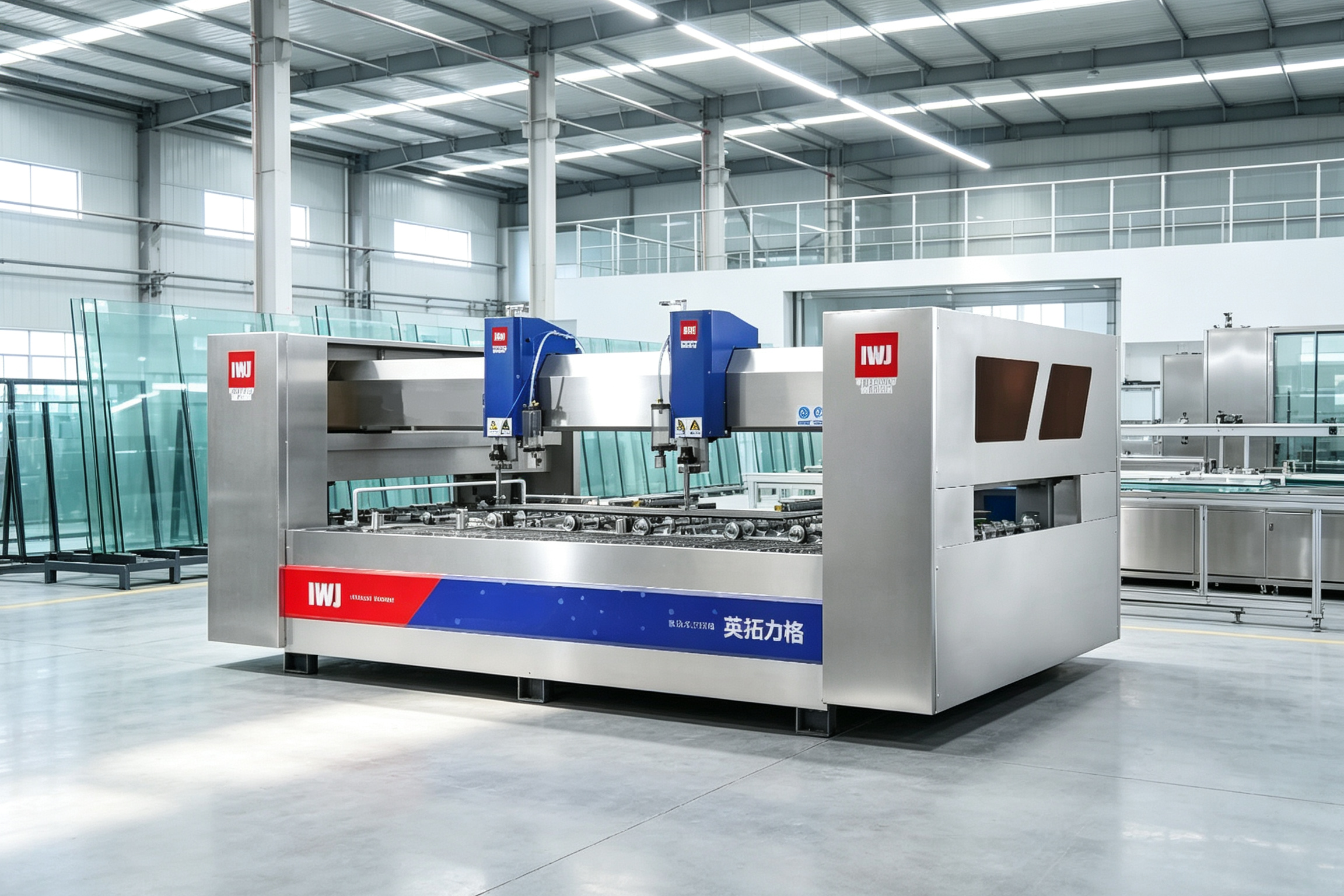
Cold Cutting Protects Material Performance
One of the most valuable capabilities of waterjet cutting is its cold-cutting process. Unlike laser or plasma cutting, which expose materials to extremely high temperatures, waterjet cutting removes material through erosion rather than melting. As a result, there is no heat-affected zone (HAZ), no thermal distortion, and no risk of altering the material's internal structure.
This advantage is particularly important when processing aerospace alloys, medical-grade stainless steel, aluminum, titanium, carbon fiber composites, or heat-sensitive plastics. These materials often require their original mechanical properties to remain unchanged after cutting. By eliminating thermal stress, waterjet cutting ensures that finished components maintain their strength, dimensional stability, and corrosion resistance.
Cold cutting also prevents edge discoloration, oxidation, and micro-cracking, reducing the risk of additional finishing operations and improving overall product quality.
High Precision for Complex Manufacturing
As manufacturing becomes more advanced, product designs continue to grow increasingly complex. Components often include tricky contours, sharp internal corners, narrow slots, and detailed decorative patterns that demand exceptional cutting accuracy.
Advanced CNC waterjet machines are engineered to meet these requirements through high-performance servo systems, precision motion control, and intelligent cutting software. Modern equipment can consistently produce complex geometries with excellent repeatability while maintaining smooth cutting edges throughout the entire production process.
This level of precision benefits industries such as aerospace, automotive, electronics, medical device manufacturing, and architectural fabrication, where even small dimensional deviations can affect product performance or assembly accuracy. Because the waterjet stream produces a relatively narrow kerf, manufacturers can also maximize material utilization while maintaining outstanding part quality.
Outstanding Capability for Thick Material Processing
Many cutting technologies perform well on thin materials but become less efficient as thickness increases. Waterjet cutting offers a remarkable advantage in this area because cutting performance remains highly effective across a wide range of material thicknesses.
Modern high-pressure pumps generate extremely powerful water streams capable of cutting thick steel plates, titanium blocks, aluminum components, natural stone slabs, engineered quartz, and composite materials with remarkable consistency. Since the process does not rely on heat, edge quality remains excellent even when cutting thick workpieces.
This capability makes waterjet technology especially valuable for heavy equipment manufacturing, shipbuilding, mining machinery, energy equipment, structural steel fabrication, and stone processing industries where thick materials are commonly used.
Multi-Axis Cutting Expands Design Possibilities
Traditional two-dimensional cutting limits manufacturers to vertical cutting paths, often requiring additional machining processes to create bevels or angled edges. Advanced five-axis waterjet systems hugely expand production capabilities by allowing the cutting head to move along multiple axes simultaneously.
Five-axis cutting enables manufacturers to create precise bevels, chamfers, countersinks, complex weld preparations, and three-dimensional profiles in a single operation. Instead of moving parts between multiple machines, manufacturers can complete complex geometries within one automated process.
This not only reduces production time but also improves dimensional consistency while lowering labor costs. Industries such as aerospace, automotive, defense, and architectural stone fabrication frequently rely on five-axis waterjet technology to produce highly complex components with exceptional precision.
Superior Edge Quality Minimizes Secondary Operations
Edge quality directly affects manufacturing efficiency. Rough or uneven edges often require grinding, polishing, deburring, or additional machining before components can proceed to assembly. These secondary operations increase labor costs, extend production cycles, and reduce overall manufacturing efficiency.
Advanced waterjet cutting produces clean, smooth edges with minimal burr formation. Because the material is eroded rather than melted, edge surfaces remain uniform and free from heat damage. In many applications, parts can move directly from cutting to assembly or finishing without additional machining.
This capability is particularly valuable for industries producing precision mechanical components, food processing equipment, medical instruments, decorative architectural products, and custom fabrication projects where surface quality is critical.
Intelligent Automation Improves Manufacturing Efficiency
Modern waterjet cutting systems have evolved far beyond simple CNC machines. Today's equipment incorporates intelligent automation technologies that greatly improve productivity while reducing operator workload.
Integrated CAD/CAM software automatically generates optimized cutting paths based on digital part designs. Advanced nesting software arranges components to maximize raw material utilization and minimize scrap. Automatic abrasive feeding systems maintain consistent cutting performance throughout long production runs, while intelligent pressure monitoring continuously adjusts operating conditions for optimal efficiency.
Many manufacturers also integrate waterjet machines into Industry 4.0 production environments, enabling remote monitoring, production analytics, predictive maintenance, and real-time equipment diagnostics. These smart manufacturing features reduce downtime, improve machine utilization, and help manufacturers make data-driven production decisions.
Material Optimization Lowers Manufacturing Costs
Material costs continue to represent a major portion of overall manufacturing expenses. Advanced waterjet cutting software helps reduce these costs by maximizing every sheet, plate, or slab through intelligent nesting algorithms and optimized cutting strategies.
The narrow kerf width of waterjet cutting allows components to be positioned closer together than many traditional cutting methods, increasing material yield. Optimized toolpaths also reduce unnecessary machine movement, lowering cutting time and improving production efficiency.
For manufacturers working with expensive materials such as titanium, carbon fiber, stainless steel, copper, or natural stone, even small improvements in material utilization can generate substantial long-term savings.
Supporting Sustainable Manufacturing
Environmental responsibility has become an essential consideration for manufacturers worldwide. Advanced waterjet cutting aligns well with sustainable manufacturing initiatives because it produces minimal airborne pollution and avoids the harmful emissions associated with thermal cutting processes.
Since no combustion occurs during cutting, there are no toxic fumes, smoke, or heat-related emissions. Modern water recycling and filtration systems further reduce water consumption by allowing process water to be reused throughout production. Combined with improved material utilization and reduced scrap generation, these features help manufacturers lower their environmental impact while improving operational efficiency.
As governments and customers increasingly prioritize sustainability, investing in environmentally friendly production technologies such as waterjet cutting can also strengthen a company's competitive position.
Applications Across Multiple Industries
The versatility of advanced waterjet cutting has made it an indispensable technology across a wide range of industries. Aerospace manufacturers rely on waterjet systems to machine titanium and composite materials without compromising structural integrity. Automotive companies use waterjets to produce body panels, battery components, and precision brackets. Stone fabricators create fancy marble mosaics, countertops, and architectural designs with exceptional accuracy.
Waterjet technology is also widely used in medical equipment manufacturing, electronics, industrial machinery, defense, energy production, glass fabrication, and custom metalworking. Its ability to process virtually any material while maintaining excellent precision makes it one of the most adaptable cutting solutions available for modern production facilities.
Conclusion
Advanced waterjet cutting capabilities have become an essential part of modern manufacturing because they combine precision, flexibility, efficiency, and sustainability in a single production system. With cold-cutting technology, manufacturers can preserve material properties while achieving exceptional dimensional accuracy across metals, composites, glass, ceramics, plastics, rubber, and natural stone.
The integration of intelligent CNC controls, five-axis motion, automated nesting software, and Industry 4.0 connectivity has further expanded the role of waterjet cutting in today's smart factories. These advanced capabilities help manufacturers improve productivity, reduce material waste, minimize secondary operations, and respond more quickly to changing customer demands.
As manufacturing continues to evolve toward greater automation and higher quality standards, advanced waterjet cutting remains one of the most reliable and future-ready technologies available. Companies investing in modern waterjet systems gain the flexibility to handle diverse production requirements while maintaining the precision and efficiency needed to stay competitive in today's global manufacturing market.
Recent Posts
- Invitation | DEFA TECHNOLOGY invites you to visit
- Foshan DEFA Technology Co., Ltd invites you to participate in the GLASSTEC Düsseldorf Glass Fair in Germany in 2024
- Foshan DEFA Technology Co., Ltd invites you to participate in the Glasstech Asia & Fenestration Asia in Indonesia in 2025
- Hannover MESse Shanghai 2024
- Cutting product display
SUBSCRIBE
INQUIRY