
Common Waterjet Cutting Head Problems and Solutions
Waterjet cutting has become an essential manufacturing technology for industries that require precision, flexibility, and clean cutting results. From aerospace and automotive components to stone fabrication and metal processing, waterjet systems are valued for their ability to cut virtually any material without generating heat-affected zones. However, regardless of how advanced a waterjet machine is, its performance depends on the condition of its cutting head.
The waterjet cutting head operates under extremely high pressure, often exceeding 60,000 PSI, while continuously handling abrasive particles that gradually wear internal components. Over time, even minor wear can reduce cutting accuracy, increase operating costs, and cause unexpected downtime. Understanding the most common waterjet cutting head problems and knowing how to solve them can help manufacturers maximize productivity while extending equipment life.
Why the Waterjet Cutting Head Is So Important
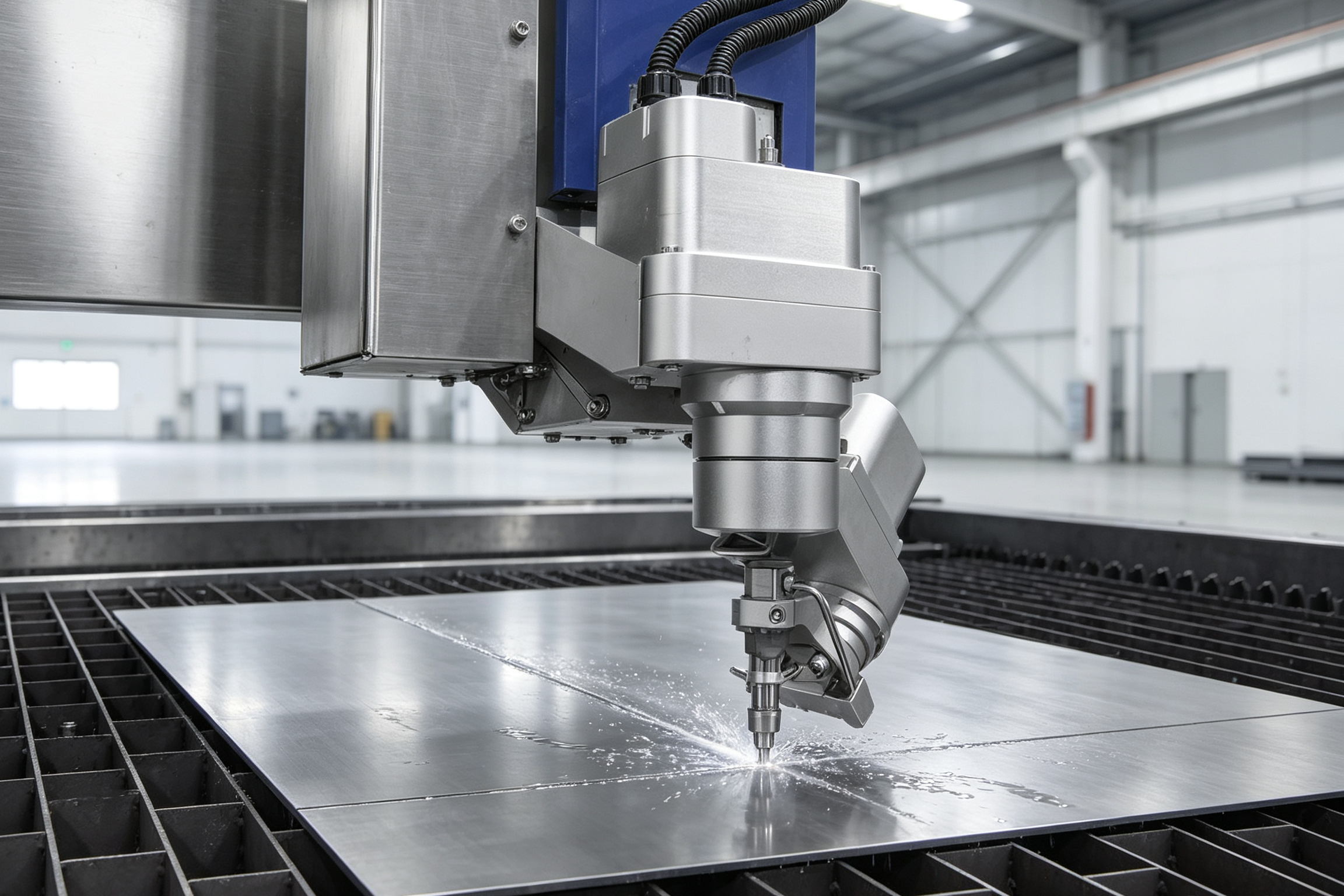
The cutting head is the final stage of the waterjet system where high-pressure water and abrasive combine to create a powerful cutting stream. It consists of several precision components, including the orifice, mixing chamber, focusing tube, abrasive inlet, seals, and high-pressure fittings. Every component must work together perfectly to produce a stable and concentrated jet.
Because these parts are exposed to constant pressure and abrasive erosion, they naturally experience wear during normal operation. Without regular inspection and maintenance, small issues can quickly develop into expensive repairs or serious production delays.
Poor Cutting Quality
One of the first signs of a cutting head problem is a noticeable decline in cutting quality. Operators may observe rough edge finishes, excessive taper, incomplete cuts, or inconsistent cutting depths. In many cases, the machine itself is functioning properly, but worn components inside the cutting head are preventing the waterjet from maintaining a focused stream.
The most common causes include a worn focusing tube, an enlarged or damaged orifice, improper abrasive flow, or slight misalignment between internal components. As these parts wear, the water and abrasive stream becomes less concentrated, reducing cutting efficiency and precision.
Replacing worn consumables before they reach the end of their service life is the most effective solution. At the same time, operators should verify the cutting parameters, abrasive flow rate, and stand-off distance to ensure the system is operating within recommended specifications. Preventive maintenance is always less expensive than correcting quality problems after production has already been affected.
Premature Nozzle Wear
The focusing tube, often referred to as the nozzle, is one of the most frequently replaced consumable parts in a waterjet cutting head. During cutting, abrasive particles travel through the nozzle at extremely high speed, gradually enlarging the internal diameter. As wear increases, the cutting stream loses focus, resulting in wider kerf widths, lower cutting accuracy, and higher abrasive consumption.
Premature nozzle wear often occurs because of poor-quality abrasive materials, contaminated garnet, incorrect abrasive feed rates, or prolonged operation beyond recommended maintenance intervals. In some cases, improper alignment between the orifice and focusing tube accelerates wear even further.
Using premium-grade garnet with consistent particle size can greatly improve nozzle life. Manufacturers should also inspect the nozzle regularly rather than waiting until cutting quality deteriorates. Replacing a worn nozzle at the proper interval helps maintain consistent production while preventing unnecessary stress on other cutting head components.
Orifice Damage
The orifice is one of the smallest yet most important components in the cutting head. It converts ultra-high-pressure water into a concentrated, high-velocity stream before abrasive is introduced. Since the water passes through an extremely small opening, even microscopic damage can dramatically affect cutting performance.
Over time, contaminated water, mineral deposits, pressure fluctuations, or accidental damage during installation may enlarge or chip the orifice. When this happens, operators may notice unstable cutting, excessive vibration, irregular jet patterns, or sharply increasing nozzle wear.
Maintaining a high-quality water filtration system is one of the most effective ways to protect the orifice. Regular inspection under magnification also allows maintenance personnel to identify wear before it begins affecting production. Many experienced operators replace the orifice and focusing tube together to ensure optimal cutting performance.
Abrasive Feeding Problems
Consistent abrasive delivery is critical for abrasive waterjet cutting. Even if the high-pressure water system is operating perfectly, poor abrasive flow immediately reduces cutting efficiency. When abrasive stops flowing or becomes inconsistent, the machine may only cut with pure water, making it impossible to process thick or hard materials effectively.
Moisture is one of the leading causes of abrasive feeding problems. Damp garnet tends to clump together, blocking feed lines and metering valves. In addition, worn abrasive feeders, clogged delivery tubes, or incorrect metering adjustments can all interrupt abrasive flow.
To prevent these issues, abrasive should always be stored in a dry environment. Feed systems should be cleaned regularly, and abrasive delivery components should be inspected as part of routine maintenance. Consistent abrasive quality also plays an important role in maintaining stable cutting performance.
Water Leakage Around the Cutting Head
Water leakage is another common issue that should never be ignored. Because the cutting head operates under extremely high pressure, even a minor leak can reduce cutting efficiency while posing potential safety risks. Leaks often develop around high-pressure seals, threaded fittings, or damaged tubing connections.
Seal wear is a natural consequence of long-term operation, especially under continuous production conditions. Improper installation during maintenance can also create small gaps that eventually develop into larger leaks.
Whenever leakage is detected, the machine should be depressurized before inspection begins. Damaged seals and fittings should always be replaced with original-quality replacement parts rather than repaired temporarily. Regular inspection of high-pressure connections distinctly reduces the likelihood of unexpected failures.
Cutting Head Misalignment
Proper alignment between the orifice and focusing tube is essential for producing a straight and concentrated cutting stream. If these components become slightly offset during maintenance or replacement, the water-abrasive mixture strikes the inside wall of the nozzle instead of flowing through its center.
Although the machine may continue cutting, operators will often notice faster nozzle wear, declining cutting precision, and increased abrasive consumption. In severe cases, a new focusing tube may fail much earlier than expected simply because the cutting head was not correctly aligned during installation.
Using manufacturer-approved alignment tools and carefully following installation procedures ensures the cutting head remains correctly centered. Alignment should always be verified after replacing the orifice, focusing tube, or mixing chamber.
Pressure Instability
Stable water pressure is fundamental to consistent waterjet cutting performance. Pressure fluctuations can originate from several parts of the high-pressure system, including the intensifier pump, hydraulic components, worn seals, clogged filters, or damaged tubing. Although these issues may not be located inside the cutting head itself, they directly affect how the cutting head performs.
When operating pressure becomes unstable, manufacturers often experience inconsistent cutting depth, rough edge finishes, and slower production speeds. Monitoring pressure throughout production allows operators to detect developing problems before they become major equipment failures.
Routine maintenance of the pump, filtration system, and high-pressure plumbing helps ensure the cutting head receives a consistent water supply under the correct operating pressure.
Extending the Service Life of Your Waterjet Cutting Head
Many cutting head failures can be avoided through preventive maintenance rather than emergency repairs. A well-planned maintenance schedule includes routine inspection of wear components, replacement of consumables before failure, regular cleaning of abrasive passages, and verification of system pressure and alignment.
Using high-quality replacement parts is equally important. Precision-manufactured orifices, durable focusing tubes, premium seals, and reliable mixing chambers provide more stable cutting performance while reducing long-term operating costs. Although premium components may require a higher initial investment, they typically deliver better durability and lower overall maintenance expenses.
Keeping detailed maintenance records also allows manufacturers to identify wear patterns, predict replacement intervals, and minimize unexpected downtime. Over time, this proactive approach remarkably improves equipment reliability and production efficiency.
Conclusion
The waterjet cutting head is one of the most important components in any waterjet cutting system, and its condition directly determines cutting accuracy, productivity, and operating costs. Problems such as nozzle wear, damaged orifices, abrasive feeding interruptions, water leakage, pressure instability, and cutting head misalignment are common, but they can all be effectively managed through routine inspection and proper maintenance.
Rather than waiting for cutting quality to decline, manufacturers should adopt a preventive maintenance strategy that includes regular replacement of consumable components, careful monitoring of operating conditions, and the application of high-quality replacement parts. With the right maintenance practices, a waterjet cutting head can consistently deliver the precision, reliability, and efficiency that modern manufacturing demands while reducing downtime and maximizing return on investment.
Recent Posts
- Invitation | DEFA TECHNOLOGY invites you to visit
- Foshan DEFA Technology Co., Ltd invites you to participate in the GLASSTEC Düsseldorf Glass Fair in Germany in 2024
- Foshan DEFA Technology Co., Ltd invites you to participate in the Glasstech Asia & Fenestration Asia in Indonesia in 2025
- Hannover MESse Shanghai 2024
- Cutting product display
SUBSCRIBE
INQUIRY