
Factors to Consider Before Buying Water Jet Cutting Equipment
Investing in water jet cutting equipment is an important decision for any manufacturer. Whether you produce metal components, stone countertops, aerospace parts, automotive components, or custom industrial products, the right machine can improve production efficiency, reduce material waste, and deliver exceptional cutting quality. However, with numerous models, technologies, and suppliers available on the market, selecting the most suitable water jet cutting system requires careful evaluation.
Unlike laser or plasma cutting, water jet cutting uses an ultra-high-pressure stream of water—often mixed with abrasive materials—to cut virtually any material without generating heat. This cold-cutting process preserves material properties, minimizes distortion, and produces clean, precise edges. While these advantages make water jet technology highly attractive, buyers should look beyond the initial purchase price and evaluate the machine's long-term value.
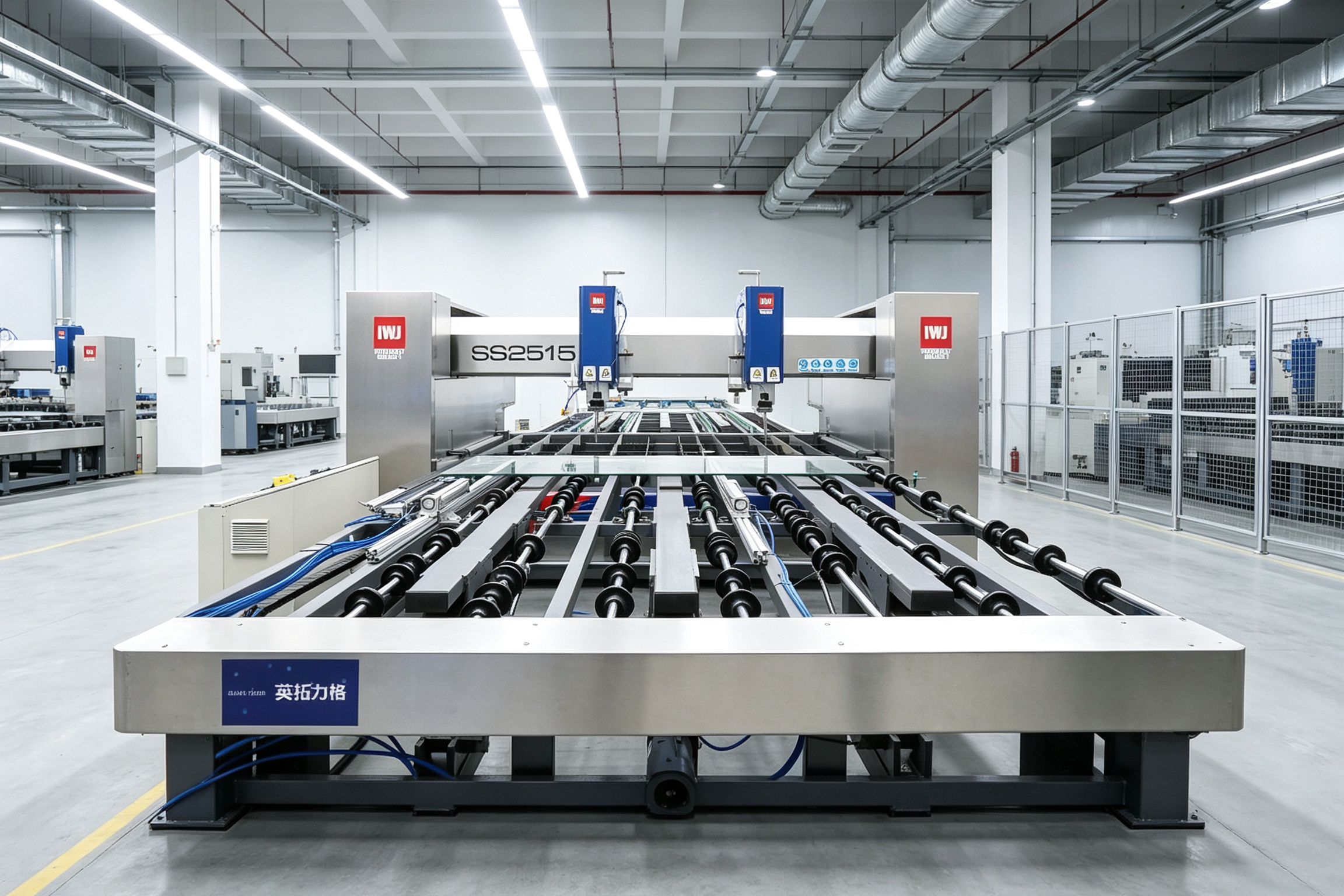
Clearly Define Your Production Requirements
The first and most important step before purchasing water jet cutting equipment is understanding your own production needs. Every manufacturing operation has different priorities, and choosing equipment without considering actual applications may result in unnecessary costs or limited production capabilities.
Begin by identifying the materials you process most frequently. Cutting stainless steel requires different machine performance than processing marble, ceramics, composites, or glass. Material thickness also plays a key role, as thicker workpieces require higher pressure and more powerful pumps. In addition, consider your expected production volume, required cutting accuracy, and whether your business mainly handles customized orders or continuous mass production.
By matching the equipment specifications to your actual manufacturing requirements, you can avoid investing in features you rarely use while ensuring the machine meets both current and future production demands.
Focus on Cutting Accuracy and Consistency
Precision is one of the primary reasons manufacturers choose water jet cutting technology. However, the cutting quality of different machines can vary considerably depending on their mechanical structure, motion control system, and CNC technology.
A rigid machine frame, high-quality linear guides, precision servo motors, and advanced motion control software all contribute to superior cutting performance. More importantly, repeatability should receive equal attention. A machine capable of producing identical parts consistently helps reduce scrap rates, minimize secondary machining, and improve overall production efficiency.
For manufacturers serving industries such as aerospace, medical devices, electronics, and precision engineering, investing in higher-accuracy equipment often leads to better product quality and stronger customer satisfaction.
Choose the Appropriate High-Pressure Pump
The pump is often considered the heart of a water jet cutting machine because it determines the pressure, cutting capability, and operating efficiency of the entire system.
Direct drive pumps are generally suitable for small and medium-sized manufacturers seeking energy-efficient operation with relatively simple maintenance. Intensifier pumps, on the other hand, deliver extremely high pressures and are widely used in demanding industrial environments where thick metals, stone, and composite materials require faster cutting speeds and continuous operation.
Rather than selecting the highest-pressure machine available, buyers should evaluate whether the pump performance matches their actual production requirements. A properly matched system often provides better efficiency and lower operating costs over the equipment's lifetime.
Consider Machine Size and Future Capacity
Selecting the correct worktable size is another important factor that directly affects production flexibility. A machine that is too small may restrict future orders, while an oversized system could occupy valuable factory space and increase investment costs unnecessarily.
Manufacturers should consider not only the dimensions of their current workpieces but also their long-term business plans. If larger materials or increased production volumes are expected in the coming years, investing in a slightly larger or modular system may prove more economical than replacing the machine later.
Planning for future expansion ensures the equipment continues to support business growth without requiring major upgrades in the near future.
Evaluate CNC Software and Automation Functions
Modern water jet cutting equipment is no longer defined solely by its mechanical components. Intelligent CNC software has become an essential factor in improving productivity, reducing waste, and simplifying daily operations.
Advanced programming software can automatically optimize cutting paths, improve material utilization through nesting functions, and reduce production time. Integrated material databases allow operators to quickly select appropriate cutting parameters for different materials, while automatic height control maintains cutting quality across uneven surfaces.
For manufacturers seeking greater productivity, automation features such as automatic abrasive feeding, multiple cutting heads, remote monitoring, and intelligent diagnostics can clearly reduce manual intervention while increasing machine utilization. Easy-to-use software also shortens operator training time and minimizes programming errors.
Look Beyond the Initial Purchase Price
Many buyers naturally focus on equipment cost during the purchasing process, but the purchase price represents only one part of the total investment. The true cost of ownership includes daily operating expenses throughout the machine's service life.
Water consumption, abrasive usage, electricity, spare parts, maintenance requirements, and production downtime all influence long-term operating costs. A lower-priced machine may require more frequent maintenance, consume more abrasives, or operate less efficiently, costing more over several years.
Calculating total operating costs instead of comparing only purchase prices allows manufacturers to make smarter investment decisions and achieve better long-term returns.
Assess Maintenance and Service Support
Even the highest-quality water jet cutting equipment requires routine maintenance to ensure stable performance. Before making a purchase, manufacturers should carefully evaluate how easy the machine is to maintain and what level of technical support the supplier provides.
Machines designed with accessible components simplify routine inspections and reduce maintenance time. Standardized replacement parts, detailed service documentation, and remote troubleshooting capabilities can further minimize production interruptions.
Equally important is the supplier's after-sales service. Reliable technical support, operator training, spare parts availability, and fast response times help manufacturers maintain consistent productivity and reduce unexpected downtime. A dependable supplier becomes a long-term partner rather than simply an equipment vendor.
Ensure the Equipment Supports Future Business Growth
Manufacturing technology continues to evolve, and production requirements often change over time. A machine that perfectly meets today's needs may become insufficient as product lines expand or customer demands increase.
When evaluating equipment, consider whether the system offers upgrade possibilities such as additional cutting heads, five-axis cutting capabilities, robotic integration, larger worktables, or software updates. Choosing scalable equipment protects your investment and allows your production capacity to grow alongside your business without requiring complete equipment replacement.
Conclusion
Buying water jet cutting equipment is a long-term investment that affects manufacturing efficiency, product quality, and operational costs for many years. Instead of making decisions based solely on machine price or technical specifications, manufacturers should evaluate the complete solution, including cutting accuracy, pump technology, software capabilities, operating costs, maintenance requirements, scalability, and supplier support.
By carefully assessing both current production needs and future expansion plans, businesses can select equipment that delivers reliable performance, consistent precision, and excellent return on investment. Partnering with an experienced water jet cutting equipment manufacturer also provides valuable technical expertise, dependable after-sales service, and customized solutions that help manufacturers remain competitive in today's fast-changing industrial market.
Recent Posts
- Invitation | DEFA TECHNOLOGY invites you to visit
- Foshan DEFA Technology Co., Ltd invites you to participate in the GLASSTEC Düsseldorf Glass Fair in Germany in 2024
- Foshan DEFA Technology Co., Ltd invites you to participate in the Glasstech Asia & Fenestration Asia in Indonesia in 2025
- Hannover MESse Shanghai 2024
- Cutting product display
SUBSCRIBE
INQUIRY