
How Water Jet Technology Revolutionizes Stone Cutting
Stone cutting has always been a demanding process that requires accuracy, durability, and advanced equipment. From marble and granite to quartz and engineered stone, fabricators need cutting solutions that can deliver complex designs while minimizing material waste. Traditional cutting methods, although effective in many applications, often face limitations such as heat damage, rough edges, and restricted design flexibility.
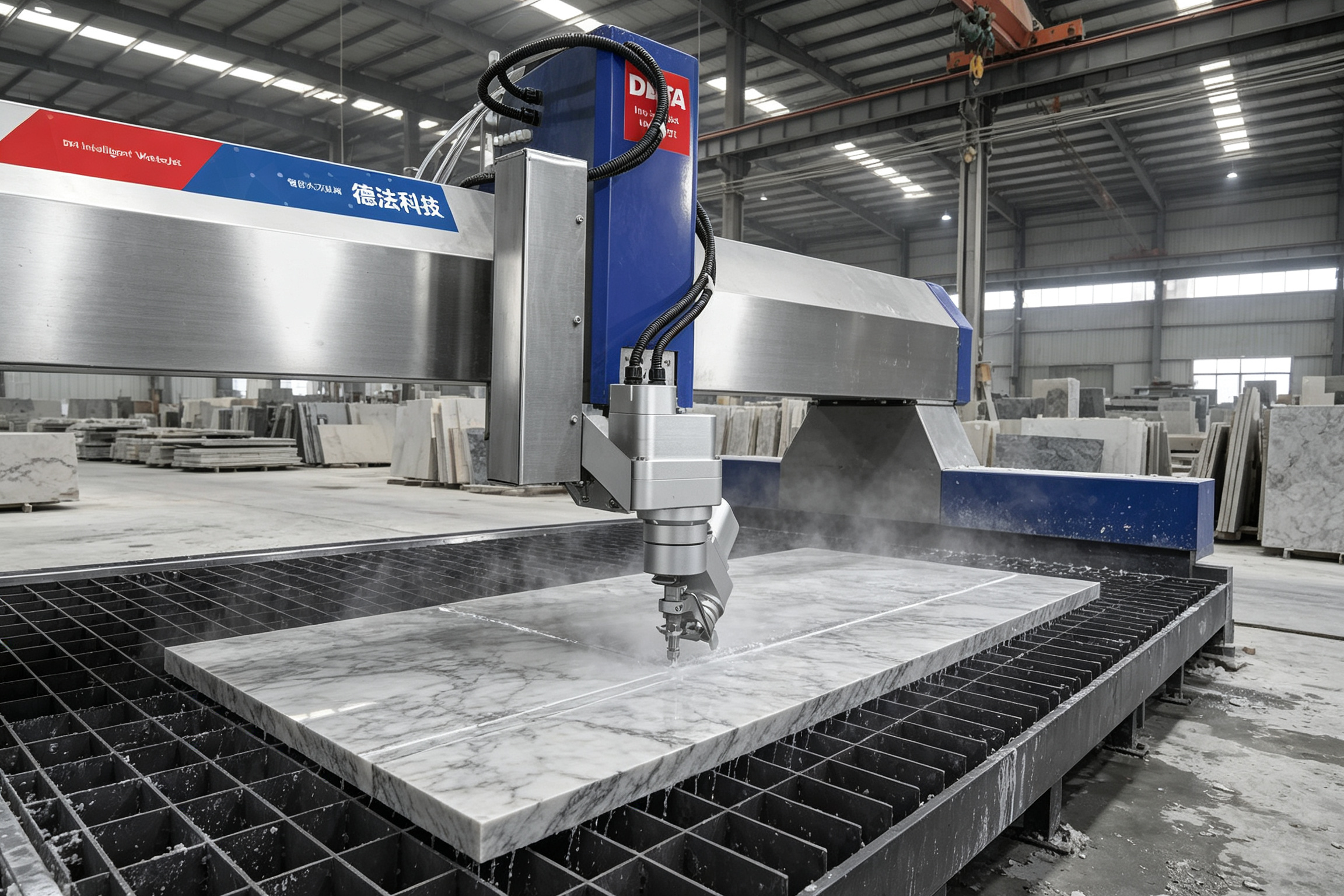
With the development of water jet technology, the stone processing industry has entered a new era of precision and efficiency. By using an ultra-high-pressure water stream mixed with abrasive particles, water jet cutting machines can shape natural and engineered stone with exceptional accuracy while preserving the original properties of the material. This innovative technology is transforming how manufacturers, architects, and stone fabricators approach modern stone cutting.
The Evolution of Stone Cutting Technology
For decades, stone cutting mainly relied on mechanical tools such as saw blades, bridge saws, and grinding equipment. While these methods remain widely used, they have certain limitations when handling complex patterns, delicate materials, or large-format stone slabs. Mechanical cutting generates friction and heat, which can lead to edge chipping, micro-cracks, and material stress.
Water jet technology provides a different approach by using a cold cutting process. Instead of relying on physical contact between a blade and the stone surface, a high-pressure water jet precisely removes material through controlled erosion. This eliminates heat-affected zones and allows fabricators to achieve cleaner cuts with fewer secondary finishing processes.
As demand for customized stone designs continues to grow in residential, commercial, and architectural projects, water jet cutting has become an essential solution for modern stone processing.
How Water Jet Technology Works in Stone Cutting
A water jet cutting system uses a powerful pump to pressurize water to extremely high levels. The pressurized water is then forced through a small nozzle, creating a concentrated cutting stream. For harder materials such as granite, marble, and porcelain stone slabs, abrasive materials like garnet are added to increase cutting power.
During the cutting process, the water jet moves along a programmed path controlled by CNC technology. This allows operators to create highly detailed shapes, curves, and fancy patterns based on digital designs.
Unlike conventional cutting tools, water jet machines do not require different blades or tools for different materials. The same system can process a wide range of stone types, making it a flexible and cost-effective choice for professional stone manufacturers.
Superior Precision and Design Flexibility
One of the biggest advantages of water jet technology is its exceptional cutting precision. Modern water jet cutting machines can achieve extremely accurate results, making them ideal for applications where detail and consistency are critical.
For stone fabricators, this means the ability to produce complex decorative patterns, custom mosaics, logos, and artistic designs that would be difficult or impossible to achieve with traditional equipment. Architects and interior designers can explore more creative possibilities, including customized flooring, wall panels, countertops, and luxury stone installations.
The narrow cutting stream of a water jet also allows for tighter curves and tricky geometries without damaging surrounding areas. This level of flexibility gives manufacturers a competitive advantage in a market where customization and unique designs are increasingly important.
Improved Edge Quality and Reduced Material Waste
Edge quality is a major concern in stone fabrication. Traditional cutting methods often leave rough edges that require additional polishing or grinding. These extra steps increase labor costs and production time.
Water jet cutting produces smooth, clean edges with minimal chipping. Because the process does not generate excessive heat or mechanical stress, the risk of cracks and surface damage is greatly reduced. This helps maintain the natural appearance and structural integrity of valuable stone materials.
In addition, water jet technology improves material utilization. The precise cutting path allows manufacturers to optimize nesting layouts and reduce unnecessary waste. For expensive materials such as natural marble and granite, better material efficiency can directly improve profitability.
Cold Cutting Protects Stone Properties
One of the key reasons water jet technology is revolutionizing stone cutting is its cold cutting capability. Heat generated by traditional cutting methods can affect certain materials, especially engineered stone, ceramics, and delicate decorative surfaces. Because water jet cutting uses water as the cutting medium, temperatures remain low throughout the process, preventing thermal damage, discoloration, and structural changes in the stone.
The cold cutting advantage is especially valuable for projects requiring high-quality finishes, such as luxury hotels, commercial buildings, premium residences, and custom architectural applications. The final product maintains its original color, texture, and strength.
Applications of Water Jet Cutting in the Stone Industry
Water jet technology is widely used across different areas of stone processing. In countertop manufacturing, it enables precise sink openings, custom edges, and unique surface designs. Kitchen and bathroom manufacturers can create personalized stone products with higher efficiency and consistency.
In architectural applications, water jet cutting is commonly used for decorative flooring, stone inlays, wall cladding, and large-scale artistic installations. Designers can combine different stone materials and create detailed patterns that enhance the visual appeal of a space.
The technology is also valuable in monument production, where accuracy and craftsmanship are essential. Water jet machines allow manufacturers to cut complex lettering, symbols, and decorative elements while maintaining excellent surface quality.
Why Manufacturers Choose Water Jet Technology
For modern stone processing companies, choosing the right cutting technology directly affects productivity and competitiveness. Water jet cutting offers several advantages, including versatility, precision, lower waste, and reduced finishing requirements.
Compared with traditional cutting methods, water jet machines can process more materials without changing cutting tools. This reduces setup time and improves production efficiency. CNC control also enables automation, helping manufacturers achieve consistent results across large production volumes.
Besides, water jet cutting supports sustainable manufacturing practices. Reduced material waste, lower energy consumption compared with some thermal cutting processes, and the ability to recycle cutting water make it a more environmentally responsible option for many industries.
The Future of Water Jet Technology in Stone Fabrication
As customer demand for customized stone products continues to increase, water jet technology will play an even greater role in the future of stone fabrication. Advances in automation, software integration, and multi-axis cutting capabilities are making water jet systems more powerful and accessible.
Modern five-axis water jet machines can create three-dimensional cuts, angled edges, and complex shapes with even greater precision. These developments open new opportunities for architectural design, luxury interiors, and advanced stone manufacturing.
For businesses looking to improve production capabilities, investing in water jet cutting technology is not only about upgrading equipment—it is about preparing for the future of customized and high-precision stone processing.
Conclusion
Water jet technology has completely changed the way stone cutting is performed. By combining high-pressure cutting power, CNC precision, and cold cutting advantages, it provides a smarter solution for processing marble, granite, quartz, porcelain, and other stone materials.
From improving edge quality and reducing waste to enabling creative designs and increasing production efficiency, water jet cutting offers distinct benefits for modern stone manufacturers. As the industry continues to demand higher precision and greater customization, water jet technology will remain a key innovation driving the future of stone fabrication.
Recent Posts
- Invitation | DEFA TECHNOLOGY invites you to visit
- Foshan DEFA Technology Co., Ltd invites you to participate in the GLASSTEC Düsseldorf Glass Fair in Germany in 2024
- Foshan DEFA Technology Co., Ltd invites you to participate in the Glasstech Asia & Fenestration Asia in Indonesia in 2025
- Hannover MESse Shanghai 2024
- Cutting product display
SUBSCRIBE
INQUIRY