
Optimize Waterjet Performance with a Rotating Water Jet Nozzle
Introduction
Waterjet cutting has become one of the most versatile manufacturing processes available today, enabling manufacturers to cut virtually any material without generating heat-affected zones or material distortion. As industries continue to demand higher precision, better edge quality, and greater production efficiency, every component of a waterjet system plays an increasingly important role. Among these components, the rotating water jet nozzle has become an effective solution for improving cutting performance across a wide range of applications.
Unlike conventional fixed nozzles, a rotating water jet nozzle continuously spins during operation, allowing the high-pressure water stream and abrasive particles to interact with the workpiece more evenly. This simple yet highly effective design improves cut quality, reduces taper, extends nozzle life, and enhances overall machining efficiency. Whether processing stainless steel, aluminum, titanium, stone, glass, ceramics, or composite materials, manufacturers can benefit from the improved stability and consistency offered by rotating nozzle technology.
This article explains how a rotating water jet nozzle works, why it improves cutting performance, and how manufacturers can maximize the efficiency of their waterjet systems by choosing the right nozzle solution.
What Is a Rotating Water Jet Nozzle?
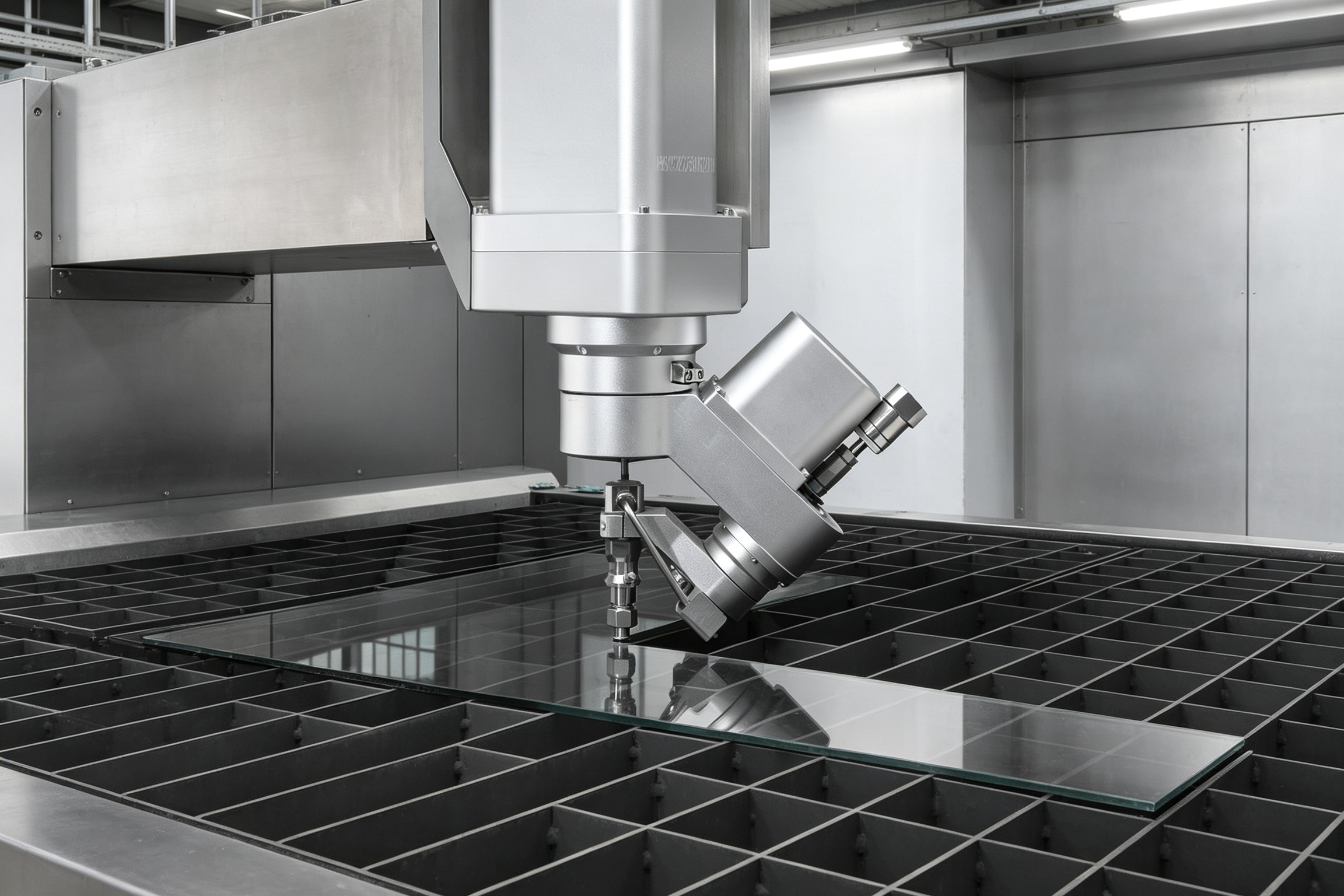
A rotating water jet nozzle is an advanced cutting component designed for modern high-pressure waterjet systems. Instead of directing the water stream from a stationary position, the nozzle rotates around its own axis while maintaining an extremely focused, high-pressure jet. In abrasive waterjet systems, the rotating motion also distributes abrasive particles more evenly throughout the cutting process.
The principle behind this technology is relatively straightforward. By continuously changing the direction of the abrasive stream on a microscopic level, the rotating nozzle prevents concentrated wear in a single area while allowing the cutting energy to be distributed more uniformly across the cutting path. The result is a smoother cutting action that produces cleaner edges and more consistent performance, especially when processing thicker or more demanding materials.
Because rotating nozzles are compatible with most CNC waterjet cutting machines, they have become increasingly popular in industries where precision, efficiency, and reduced maintenance costs are top priorities.
Why Rotation Improves Waterjet Cutting Performance
The quality of any waterjet cut depends largely on how efficiently the kinetic energy of the water stream is transferred into the material being cut. In a traditional fixed nozzle, the abrasive stream consistently impacts the material from the same orientation, which can create uneven wear inside the focusing tube and contribute to taper or visible striations on the cut surface.
A rotating water jet nozzle changes the angle by continuously rotating the jet during cutting. This movement distributes the abrasive flow more evenly while maintaining a stable cutting stream. Because the cutting force is applied more uniformly, the nozzle produces a smoother kerf with reduced surface irregularities.
This improved energy distribution is particularly valuable when cutting thick stainless steel, hardened alloys, natural stone, or engineered materials that require consistent cutting quality throughout the entire material thickness.
Better Edge Quality with Less Secondary Processing
One of the biggest advantages of using a rotating water jet nozzle is the noticeable improvement in edge quality. Manufacturers often spend much time and labor performing secondary operations such as grinding, polishing, or deburring after cutting. By producing cleaner edges directly from the waterjet, rotating nozzles help reduce or even eliminate these additional finishing steps.
The rotating motion minimizes the appearance of striations that commonly occur during conventional waterjet cutting. As the abrasive particles are distributed more evenly, the cutting surface becomes smoother and more uniform. This is particularly beneficial for industries where appearance and dimensional accuracy are equally important, including architectural stone fabrication, aerospace manufacturing, decorative metalwork, and precision engineering.
Improved edge quality also contributes to better part consistency, making downstream assembly and welding processes more efficient.
Reducing Kerf Taper for Higher Precision
Kerf taper is one of the most common challenges encountered in abrasive waterjet cutting. As the cutting stream loses energy while penetrating thick materials, the bottom of the cut may become narrower than the top. Excessive taper can affect dimensional accuracy and increase the possibility for post-processing.
A rotating water jet nozzle helps reduce this problem by maintaining a more balanced distribution of cutting energy throughout the entire cutting depth. Instead of concentrating wear and energy in a single direction, the rotating jet continuously redistributes the abrasive impact, resulting in straighter cut walls and improved dimensional stability.
For manufacturers producing precision components with tight tolerances, reducing taper can distinctly improve product quality while minimizing material waste.
Improving Productivity Without Sacrificing Quality
Increasing production speed often means compromising edge quality. However, rotating nozzle technology allows many manufacturers to operate at higher moving speeds while maintaining excellent cutting performance.
Because the rotating nozzle applies abrasive particles more efficiently, material removal becomes more effective, allowing faster cutting under many operating conditions. This improved efficiency reduces cycle times, increases machine throughput, and lowers the overall production cost per component.
For companies operating multiple shifts or processing high production volumes, even a modest increase in cutting speed can result in substantial productivity gains over the life of the equipment.
Extending Consumable Life and Reducing Maintenance Costs
Consumable wear represents a huge operating expense in abrasive waterjet cutting. Components such as focusing tubes, mixing chambers, and nozzles gradually wear as high-speed abrasive particles pass through the system.
One important advantage of a rotating water jet nozzle is its ability to distribute internal wear more evenly. Instead of experiencing concentrated erosion in one location, the rotating motion spreads abrasive contact around the inner surface of the nozzle. This balanced wear pattern helps extend component life while maintaining stable cutting performance over longer operating periods.
Longer consumable life not only reduces replacement costs but also minimizes machine downtime associated with maintenance and component changes, improving overall equipment application.
Applications Across Multiple Industries
The versatility of rotating water jet nozzles makes them suitable for a wide variety of industrial applications. In aerospace manufacturing, they provide the precision needed for cutting titanium, aluminum, and nickel-based alloys while preserving the material's mechanical properties through cold cutting.
Automotive manufacturers use rotating nozzles to process steel body components, aluminum structural parts, battery enclosure materials, and composite panels with greater efficiency and repeatability. Stone fabricators rely on the technology to produce clean cuts in granite, marble, quartz, and porcelain slabs while minimizing edge chipping.
Similarly, manufacturers working with glass, ceramics, carbon fiber composites, and engineered plastics benefit from the improved surface finish and consistent cutting quality that rotating nozzle technology provides.
Maximizing the Benefits of a Rotating Water Jet Nozzle
Although the nozzle itself plays a key role, achieving optimal performance requires careful attention to the entire cutting system. Stable ultra-high water pressure, high-quality garnet abrasive, proper nozzle alignment, and optimized cutting parameters all contribute to the final cutting result.
Routine inspection of wear components ensures that the cutting stream remains properly focused, while selecting the correct abrasive flow rate prevents unnecessary consumable costs without sacrificing cutting efficiency. Modern CNC waterjet systems also allow operators to optimize rotation speed, feed speed, and stand-off distance for different materials and thicknesses, maximizing both productivity and edge quality.
Regular preventive maintenance further helps maintain consistent performance while extending the service life of pumps, seals, high-pressure tubing, and rotary assemblies.
Choosing the Right Rotating Water Jet Nozzle
Selecting the appropriate rotating water jet nozzle depends on several operational factors, including material type, material thickness, operating pressure, abrasive size, and production requirements. Manufacturers should also evaluate the durability of the rotation mechanism, compatibility with existing CNC waterjet equipment, and the availability of replacement components.
Working with an experienced waterjet equipment supplier can simplify the selection process and ensure the nozzle is properly matched to the intended application. A well-designed rotating nozzle should provide reliable performance over long production cycles while minimizing maintenance requirements and operating costs.
Conclusion
A rotating water jet nozzle is a practical upgrade for manufacturers seeking higher productivity, better edge quality, and more consistent cutting performance. By continuously rotating the high-pressure cutting stream, the nozzle distributes abrasive particles more evenly, reduces kerf taper, minimizes internal wear, and produces smoother finished surfaces across a wide range of materials.
As manufacturing industries continue to demand greater efficiency and tighter tolerances, rotating nozzle technology offers an effective way to improve the performance of modern waterjet cutting systems. Whether processing metals, stone, glass, composites, or advanced engineering materials, investing in a high-quality rotating water jet nozzle can help manufacturers reduce operating costs, improve product quality, and maximize the return on their waterjet equipment.
Recent Posts
- Invitation | DEFA TECHNOLOGY invites you to visit
- Foshan DEFA Technology Co., Ltd invites you to participate in the GLASSTEC Düsseldorf Glass Fair in Germany in 2024
- Foshan DEFA Technology Co., Ltd invites you to participate in the Glasstech Asia & Fenestration Asia in Indonesia in 2025
- Hannover MESse Shanghai 2024
- Cutting product display
SUBSCRIBE
INQUIRY