
Selecting Waterjet Cutting Heads for Maximum Performance
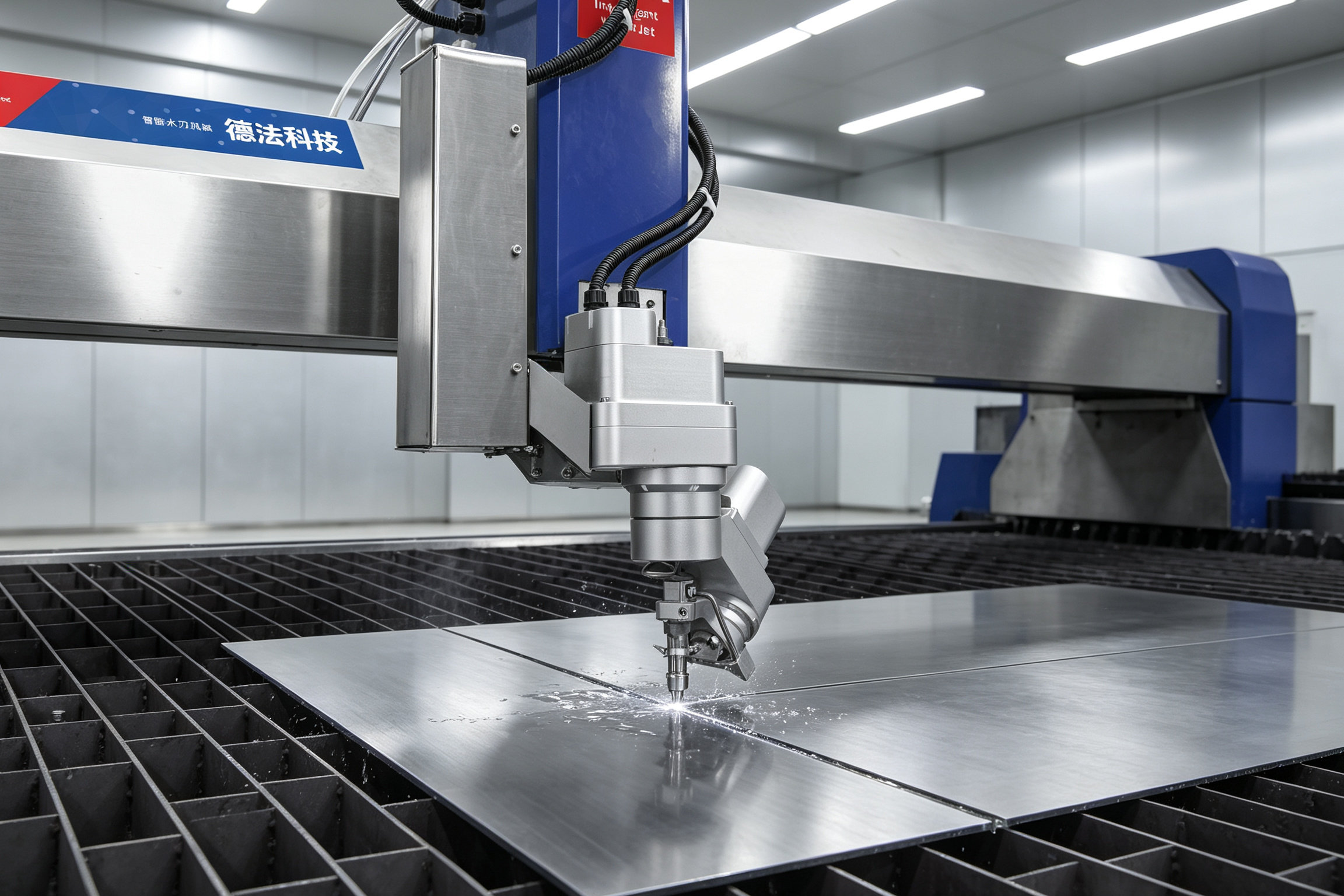
Waterjet cutting has earned a strong reputation across modern manufacturing for its ability to process a wide variety of materials without generating heat-affected zones or causing material distortion. Whether manufacturers are cutting stainless steel, aluminum, titanium, glass, ceramics, composites, or natural stone, the overall cutting performance depends on more than the pressure pump or CNC system. One of the most important yet often overlooked components is the waterjet cutting head. As the final stage of the cutting process, it controls how high-pressure water and abrasive particles are combined and directed toward the workpiece. Choosing the right waterjet cutting head can greatly improve cutting precision, production efficiency, edge quality, and operating costs.
For manufacturers aiming to maximize machine performance and reduce long-term maintenance expenses, selecting a cutting head should be a strategic decision rather than simply replacing worn parts. Understanding the design, materials, and application requirements of different waterjet cutting heads allows businesses to achieve more consistent production while extending the service life of their equipment.
Why Choosing the Right Waterjet Cutting Head Matters
Every waterjet cutting system relies on several key components working together, including the high-pressure pump, abrasive delivery system, motion controller, and cutting head. Among these, the cutting head directly influences how effectively the waterjet performs once the ultra-high-pressure water reaches the material surface.
A high-quality cutting head ensures that the water stream remains perfectly aligned as it passes through the orifice, mixes with abrasive particles, and exits through the focusing tube. This precise alignment minimizes energy loss and produces a concentrated cutting stream capable of maintaining excellent accuracy even on thick or difficult materials.
When manufacturers use a poorly designed or heavily worn cutting head, they often experience inconsistent cutting quality, slower production speeds, excessive abrasive consumption, and increased maintenance requirements. Even if the waterjet pump continues operating at full pressure, an inefficient cutting head can reduce overall system performance. Investing in a reliable cutting head therefore improves not only cutting quality but also productivity and profitability over the long term.
Key Factors to Consider When Selecting Waterjet Cutting Heads
Selecting the appropriate waterjet cutting head begins with understanding the specific production requirements. Different industries have different priorities, and the ideal cutting head for one application may not be the best solution for another.
The first consideration is the type of material being processed. Soft materials such as rubber, foam, and plastics generally require different cutting characteristics than hardened steel, titanium, or stone. Abrasive waterjet applications demand cutting heads capable of maintaining stable abrasive flow while minimizing internal wear. Manufacturers processing multiple materials should choose cutting heads designed for versatility without sacrificing precision.
Material thickness is another important factor. Thin sheet metal can often be cut efficiently using standard cutting heads, while thicker materials require designs that maintain jet stability over longer cutting distances. As thickness increases, maintaining a concentrated cutting stream becomes increasingly important for reducing taper and ensuring clean edge quality.
Precision requirements should also influence the selection process. Industries such as aerospace, medical equipment, electronics, and automotive manufacturing frequently require tight tolerances and smooth edge finishes. In these applications, premium waterjet cutting heads with superior internal alignment and optimized flow paths help produce highly accurate components while reducing the possibility for secondary machining.
Production volume is equally important. Facilities operating multiple shifts every day place greater demands on cutting equipment than smaller fabrication shops. High-volume manufacturers benefit from cutting heads built with wear-resistant materials and modular designs that simplify routine maintenance. Although these cutting heads may involve a higher initial investment, their longer service life and reduced downtime often result in lower operating costs over time.
Finally, compatibility with the existing waterjet system should never be overlooked. Manufacturers should verify that the selected cutting head matches the pressure rating, abrasive delivery system, CNC controls, and machine configuration. Proper integration ensures stable performance while preventing unnecessary installation or maintenance issues.
How Cutting Head Design Affects Cutting Performance
The internal design of a waterjet cutting head has a direct impact on cutting efficiency. Modern cutting heads are engineered to optimize water flow, abrasive mixing, and jet stability while minimizing turbulence inside the assembly. Even small improvements in internal geometry can distinctly enhance cutting performance.
One of the most critical components is the water orifice. Manufactured from durable materials such as diamond or sapphire, the orifice creates the ultra-high-pressure water stream before abrasive is introduced. Diamond orifices generally provide a longer service life and maintain more consistent dimensions under continuous operation, making them an excellent choice for demanding industrial applications.
The mixing chamber is another essential component. This area combines high-pressure water with abrasive particles before directing the mixture into the focusing tube. A well-designed mixing chamber promotes uniform abrasive distribution while reducing wear caused by particle impact. Stable abrasive flow produces smoother cuts, more consistent kerf widths, and improved surface finishes.
The focusing tube further determines cutting performance by accelerating and concentrating the abrasive water stream. Premium focusing tubes manufactured from advanced carbide or composite materials resist erosion more effectively than lower-quality alternatives. Because focusing tubes are wear components, selecting high-quality materials can hugely reduce replacement frequency and improve long-term operating efficiency.
Advanced cutting heads may also incorporate active taper compensation technology. These intelligent systems automatically adjust the cutting angle during operation to compensate for jet lag and taper, allowing manufacturers to achieve greater dimensional accuracy while increasing cutting speed. For companies producing precision parts, adaptive cutting heads often eliminate secondary finishing operations and improve overall productivity.
Best Practices for Maximizing Cutting Head Performance
Even the highest-quality waterjet cutting head requires proper maintenance to deliver consistent results. Preventive maintenance not only extends component life but also protects overall machine performance and reduces unexpected downtime.
Regular inspection of consumable parts is essential. Operators should routinely examine the orifice, mixing chamber, focusing tube, and abrasive inlet for signs of wear. As these components gradually erode, cutting quality typically declines before complete failure occurs. Replacing worn parts at the appropriate intervals helps maintain cutting accuracy while avoiding costly production interruptions.
Water quality also plays a key role in extending cutting head life. Clean, properly filtered water minimizes contamination inside the cutting assembly and reduces premature wear on precision components. Similarly, using high-quality abrasive with consistent particle size improves cutting efficiency while reducing clogging and uneven wear inside the mixing chamber.
Proper machine calibration should be performed whenever cutting head components are replaced. Accurate alignment between the orifice and focusing tube ensures that the water stream remains centered throughout the cutting process. Even slight misalignment can reduce cutting performance, increase abrasive consumption, and shorten consumable life.
Finally, manufacturers should follow recommended operating parameters rather than attempting to maximize cutting speed at the expense of component longevity. Balanced operating conditions often produce better overall productivity by reducing maintenance frequency and extending equipment lifespan.
Partner with a Trusted Waterjet Cutting Head Supplier
Selecting the right waterjet cutting heads involves more than comparing product specifications. A knowledgeable supplier can provide valuable technical support, helping manufacturers choose the most suitable configuration based on materials, production requirements, machine compatibility, and future expansion plans.
Reliable suppliers also offer consistent access to replacement consumables, technical documentation, maintenance guidance, and after-sales support. These services become particularly important for manufacturers operating high-volume production environments where machine downtime directly impacts delivery schedules and profitability.
As waterjet technology continues to evolve, partnering with an experienced supplier ensures access to the latest innovations in cutting head design, wear-resistant materials, and performance optimization. Long-term technical support enables manufacturers to maximize equipment efficiency while adapting to changing production demands.
Conclusion
Selecting the right waterjet cutting head is one of the most effective ways to improve the overall performance of a waterjet cutting system. While pumps, software, and motion control systems all contribute to production efficiency, the cutting head directly determines cutting precision, edge quality, abrasive utilization, and machine reliability. Choosing a cutting head that matches your materials, production volume, and precision requirements allows manufacturers to achieve faster cutting speeds, lower operating costs, and more consistent product quality.
For companies seeking long-term competitiveness, investing in high-quality waterjet cutting heads is not simply a maintenance decision—it is a strategic investment in productivity, efficiency, and manufacturing excellence.
Recent Posts
- Invitation | DEFA TECHNOLOGY invites you to visit
- Foshan DEFA Technology Co., Ltd invites you to participate in the GLASSTEC Düsseldorf Glass Fair in Germany in 2024
- Foshan DEFA Technology Co., Ltd invites you to participate in the Glasstech Asia & Fenestration Asia in Indonesia in 2025
- Hannover MESse Shanghai 2024
- Cutting product display
SUBSCRIBE
INQUIRY