
Water Jet Cutting vs Laser Cutting: Which Is Better?
Manufacturers today have access to a wide range of advanced cutting technologies, but water jet cutting and laser cutting remain two of the most popular choices. Both deliver high precision, support CNC automation, and are widely used across industries such as aerospace, automotive, architecture, electronics, and metal fabrication. However, these technologies operate in fundamentally different ways and offer distinct advantages depending on the material, production volume, and application.
Choosing between a water jet cutting machine and a laser cutting system is not simply a matter of selecting the newest or fastest technology. The right solution depends on factors such as material compatibility, cutting thickness, edge quality, operating costs, and production requirements. This article explores the key differences between water jet cutting and laser cutting to help manufacturers determine which technology is best suited for their business.
What Is Water Jet Cutting?
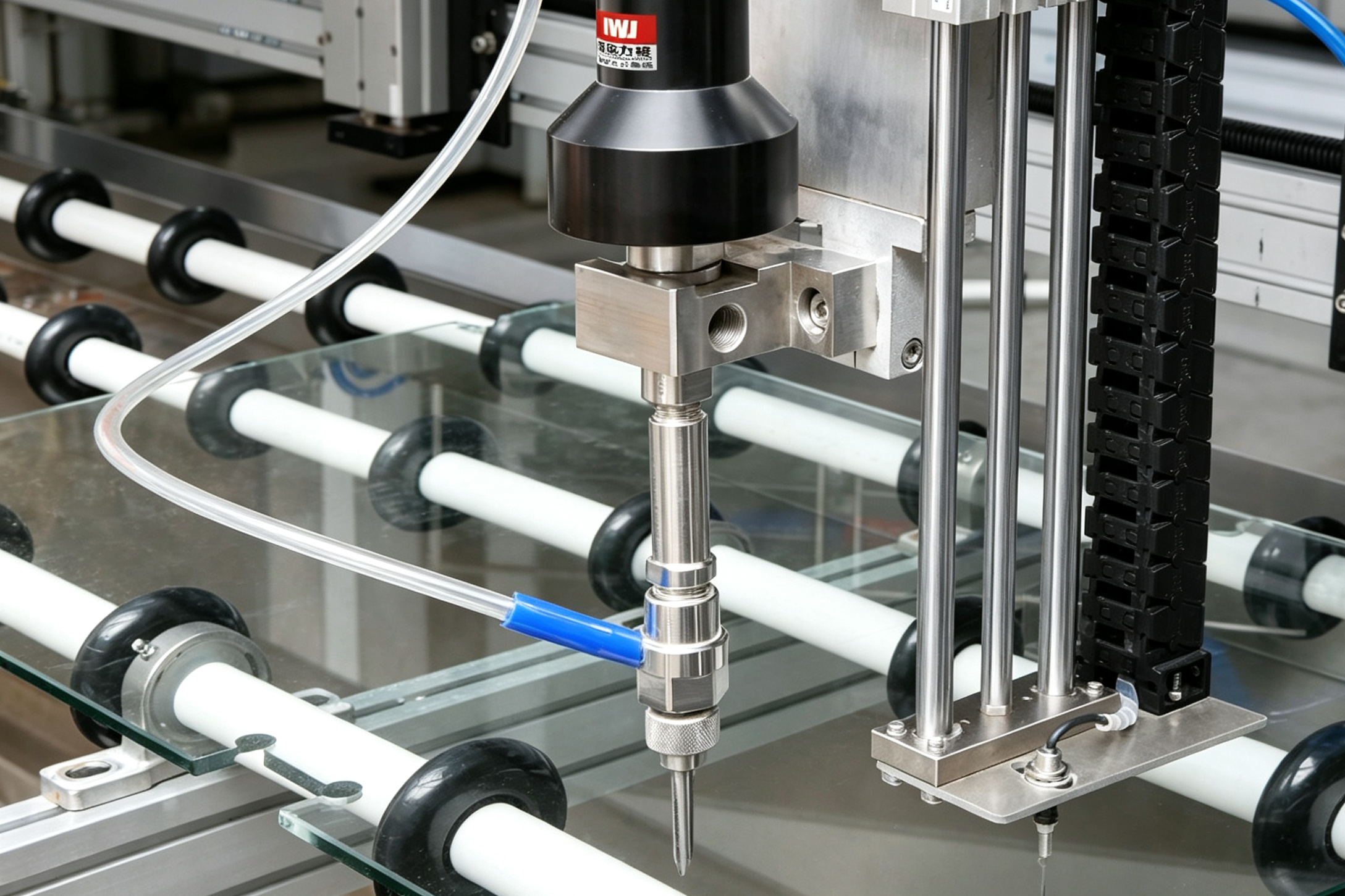
Water jet cutting is a precision manufacturing process that uses an ultra-high-pressure stream of water, often mixed with abrasive garnet, to cut through virtually any material. Modern CNC water jet cutting machines can generate pressures exceeding 60,000 PSI, allowing them to process everything from stainless steel and titanium to granite, porcelain, glass, composites, and rubber.
One of the defining characteristics of water jet cutting is that it is a cold-cutting process. Unlike thermal cutting methods, water jet technology introduces no heat into the material, eliminating the risk of heat-affected zones (HAZ), warping, oxidation, or metallurgical changes. This makes it particularly valuable for applications where preserving the original properties of the material is critical.
Because of its exceptional versatility, water jet cutting has become the preferred choice for manufacturers producing high-value components that demand outstanding dimensional accuracy and clean edge quality.
What Is Laser Cutting?
Laser cutting uses a highly focused beam of light to melt, burn, or vaporize material along a programmed cutting path. Controlled by CNC systems, laser machines are capable of producing complex geometries with exceptional speed and repeatability.
Laser cutting has become the industry standard for processing sheet metals such as carbon steel, stainless steel, and aluminum. It is also widely used for acrylic, wood, plastics, and thin non-metallic materials. Thanks to its extremely narrow kerf width and quick cutting speed, laser technology is particularly effective for high-volume production environments where efficiency is a top priority.
Since laser cutting relies on concentrated heat energy, it inevitably creates a small heat-affected zone around the cut edge. While modern fiber laser systems minimize thermal effects, this remains an important consideration for manufacturers working with heat-sensitive materials.
Material Compatibility: Which Technology Is More Versatile?
Perhaps the most distinct difference between these two cutting methods is the range of materials they can process.
Water jet cutting is widely recognized as one of the most versatile cutting technologies available. It can easily process metals, stone, ceramics, porcelain tiles, glass, composites, rubber, foam, plastics, and laminated materials using the same machine. Even highly reflective metals such as copper and brass—which can present challenges for certain laser systems—can be cut efficiently without damaging the equipment.
Laser cutting, while highly capable, performs best on thin sheet metals and selected non-metallic materials. Although modern fiber lasers have greatly expanded material compatibility, they remain less suitable for thick stone, glass, ceramics, and many composite materials.
For manufacturers serving multiple industries or processing a wide variety of materials, water jet cutting offers considerably greater production flexibility.
Heat Effects and Material Integrity
Heat generation is another area where these technologies differ substantially.
Because water jet cutting uses only high-pressure water and abrasive particles, it generates virtually no heat during processing. As a result, there is no heat-affected zone, no burning, no discoloration, and no thermal distortion. Material strength, hardness, and internal structure remain unchanged after cutting, making water jet technology ideal for aerospace alloys, medical-grade metals, carbon fiber composites, and engineered materials.
Laser cutting, on the other hand, depends on thermal energy to melt material. While this enables remarkable cutting speeds, it also introduces localized heating. In many applications, this is not problematic, but components requiring strict metallurgical consistency may require additional inspection or finishing after laser processing.
For industries where maintaining original material properties is essential, water jet cutting offers a clear advantage.
Cutting Speed and Production Efficiency
When production speed is the primary concern, laser cutting often takes the lead.
Laser machines can cut thin sheet metal at extremely high speeds, making them ideal for mass production and automated manufacturing lines. Their speedy acceleration and minimal setup times allow manufacturers to process large batches of identical components with impressive efficiency.
Water jet cutting generally operates at a slower pace because material removal occurs through erosion rather than melting. However, this slower cutting speed is often offset by reduced secondary processing, improved edge quality, and the ability to cut materials that laser systems simply cannot process.
As material thickness increases, the speed gap between the two technologies narrows considerably. In many heavy-duty applications, water jet cutting becomes the more practical and economical solution.
Cutting Thickness and Application Range
Material thickness plays a major role in selecting the appropriate cutting technology.
Water jet cutting excels when processing thick materials. Depending on machine configuration, it can cut steel, titanium, aluminum, stone, and composites well over 200 mm thick while maintaining excellent edge quality and dimensional accuracy.
Laser cutting performs exceptionally well on thin and medium-thickness materials. Although advances in fiber laser technology continue to improve thick-metal performance, cutting efficiency generally decreases as thickness increases.
Manufacturers producing architectural stone, heavy industrial equipment, pressure vessel components, or thick metal plates often choose water jet cutting because of its superior performance on demanding materials.
Precision and Edge Quality
Both technologies are capable of delivering exceptional precision, making them suitable for industries where dimensional accuracy is essential.
Laser cutting is known for its extremely narrow kerf width and the ability to create highly detailed patterns on thin materials. It is especially effective for tricky sheet metal fabrication and precision electronic components.
Water jet cutting also achieves excellent accuracy while producing smooth, burr-free edges across a much broader range of materials. Because there is no melting or burning, the cut surfaces remain clean, with little or no need for additional finishing. Decorative stone inlays, porcelain tile mosaics, and premium architectural panels particularly benefit from the superior surface quality provided by water jet cutting.
For applications where both precision and flawless edge appearance are important, water jet cutting often provides additional advantages.
Operating Costs and Long-Term Value
The operating costs of water jet cutting and laser cutting depend heavily on production requirements.
Water jet systems consume water and abrasive garnet, and require maintenance for high-pressure pumps and filtration systems. While abrasive costs contribute to ongoing operating expenses, the technology's ability to process almost any material with a single machine often reduces multiple specialized cutting systems.
Laser cutting systems primarily consume electricity and assist gases such as oxygen or nitrogen. Because laser cutting is generally faster, manufacturers producing high volumes of thin sheet metal often benefit from lower cost per part.
However, manufacturers processing diverse materials may find greater long-term value in water jet technology due to its unmatched flexibility and broader application range.
Typical Industry Applications
Water jet cutting is widely used in aerospace manufacturing, stone and tile fabrication, automotive production, medical device manufacturing, energy equipment, shipbuilding, and custom fabrication. Its ability to process heat-sensitive materials without thermal damage makes it indispensable for precision engineering and premium architectural applications.
Laser cutting dominates industries focused on sheet metal fabrication, electrical enclosures, HVAC systems, signage, consumer electronics, furniture manufacturing, and large-scale metal component production. Its speed and automation capabilities make it particularly attractive for repetitive manufacturing processes.
Which Cutting Technology Should You Choose?
The answer depends on your production priorities.
If your business regularly processes multiple material types, thick workpieces, natural stone, ceramics, composites, or heat-sensitive alloys, a CNC water jet cutting machine is likely the better investment. Its cold-cutting process preserves material integrity while delivering outstanding versatility and edge quality.
If your primary focus is high-speed production of thin sheet metal components with maximum throughput, laser cutting remains one of the most efficient manufacturing technologies available.
Rather than viewing these technologies as direct competitors, many manufacturers consider them complementary solutions. Facilities that serve a wide variety of industries often operate both systems, selecting the most suitable process based on each project's specific requirements.
Conclusion
Both water jet cutting and laser cutting have revolutionized modern manufacturing by delivering high precision, repeatability, and CNC automation. While laser cutting excels in speed and efficiency for thin sheet metal production, water jet cutting offers unmatched material versatility, superior performance on thick materials, and the outstanding advantage of cold cutting without heat distortion.
Understanding the strengths of each technology allows manufacturers to choose equipment that aligns with their production goals, material requirements, and long-term growth strategy. Whether your priority is speed, flexibility, material integrity, or cutting capability, selecting the right cutting solution will improve productivity, reduce waste, and deliver higher-quality finished products.
FAQ
Is water jet cutting better than laser cutting?
Neither technology is universally better. Water jet cutting is ideal for thick, heat-sensitive, and diverse materials, while laser cutting is generally faster for thin sheet metal production.
Can water jet cut materials that laser cannot?
Yes. Water jet cutting can process glass, granite, marble, ceramics, porcelain, rubber, composites, and many reflective metals that are difficult or impossible for standard laser systems.
Which cutting method produces better edge quality?
Both provide excellent results, but water jet cutting often produces smoother edges without burn marks or heat discoloration, reducing secondary finishing.
Is laser cutting more cost-effective?
For high-volume production of thin metal sheets, laser cutting usually offers lower cost per part. For manufacturers handling multiple material types, water jet cutting often delivers greater long-term value through its versatility.
Which industries benefit most from water jet cutting?
Industries including aerospace, automotive, architecture, stone fabrication, medical manufacturing, energy, and industrial equipment manufacturing commonly choose water jet cutting because it preserves material properties while handling a wide variety of materials.
Recent Posts
- Invitation | DEFA TECHNOLOGY invites you to visit
- Foshan DEFA Technology Co., Ltd invites you to participate in the GLASSTEC Düsseldorf Glass Fair in Germany in 2024
- Foshan DEFA Technology Co., Ltd invites you to participate in the Glasstech Asia & Fenestration Asia in Indonesia in 2025
- Hannover MESse Shanghai 2024
- Cutting product display
SUBSCRIBE
INQUIRY